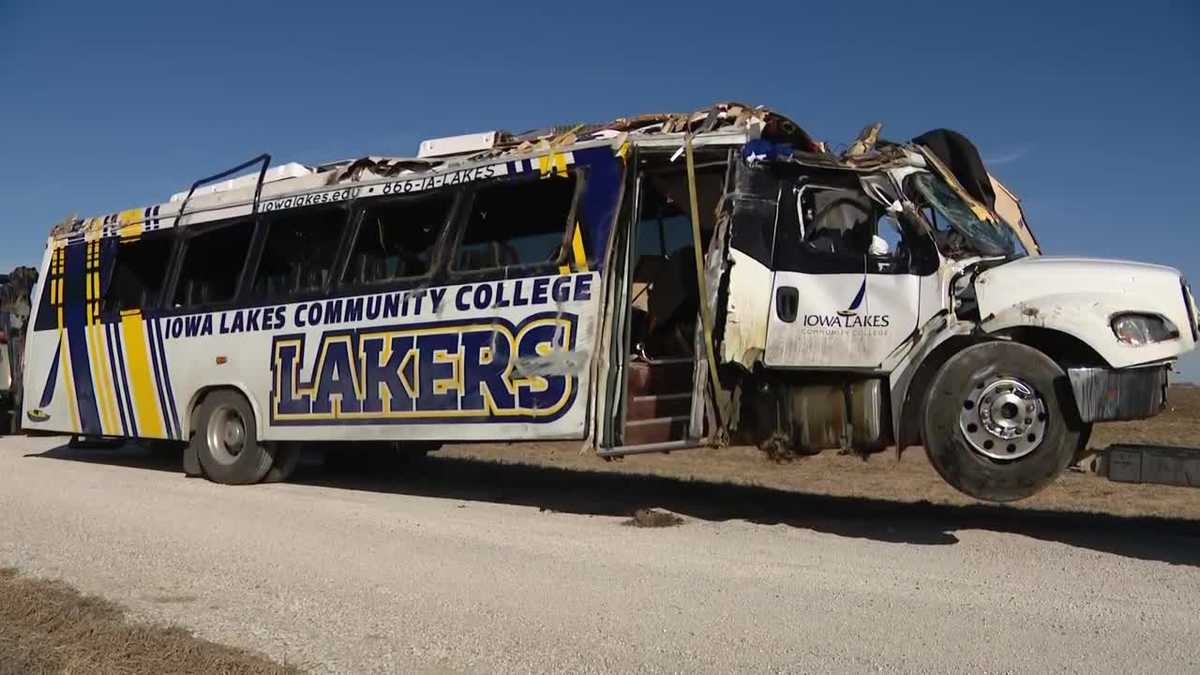
A Day of Unspeakable Tragedy: The Deadly Iowa Bus Crash
The quiet heartland of Iowa was shattered by tragedy on a Wednesday morning when a charter bus carrying the Iowa Lakes Community College baseball team crashed, claiming the life of a promising young athlete and injuring dozens more. The incident, which occurred on Iowa Highway 4 near Twin Lakes in Calhoun County, has sent shockwaves through the college community, the state, and the wider world of collegiate sports. As investigators work to piece together the events that led to this devastating Bus Accident Iowa, the focus remains on supporting the victims, their families, and the grieving community.
The accident unfolded shortly after 11 a.m. local time, transforming a routine team journey into a scene of unimaginable chaos. The bus, transporting 33 individuals, veered off the roadway and overturned into a ditch, prompting a massive emergency response. This tragic event underscores the fragility of life and the profound impact a single incident can have on countless lives.
Remembering Carter Johnson: A Life Lost Too Soon
Among the 33 individuals on board, one life was tragically cut short. Nineteen-year-old Carter Johnson, a freshman outfielder for the Iowa Lakes Community College baseball team, was pronounced dead at the scene. Hailing from Rapid City, South Dakota, Johnson was a vibrant young man with a passion for baseball and a future full of promise. His untimely death has left a gaping void in the hearts of his family, friends, teammates, and the entire college community.
The Iowa Lakes baseball team was en route to Arkansas, scheduled to play North Arkansas College in Harrison, when the fatal bus accident occurred. What began as an exciting road trip for competition and camaraderie ended in profound sorrow. The loss of Carter Johnson is a stark reminder of the dreams and aspirations that can be lost in an instant. Tributes have poured in from across the nation, highlighting the impact Carter had on those around him and the collective grief felt by the baseball community.
In the immediate aftermath, other student-athletes traveling in a vehicle behind the bus demonstrated incredible courage, performing CPR on victims until first responders arrived. This selfless act of heroism speaks volumes about the bonds within the team and the human instinct to help in times of crisis.
The Mass Casualty Response and Ongoing Recovery Efforts
Due to the significant number of injured individuals, Iowa authorities quickly designated the bus crash as a "mass casualty incident." The scene was a flurry of activity as ambulances and Life Flight helicopters transported injured occupants to various area hospitals. The range of injuries sustained by the remaining 32 passengers varied from minor to serious, with several individuals requiring ongoing hospitalization, though many are reported to be in stable condition.
The coordinated response from local and state emergency services was critical in managing the immediate aftermath of the tragedy. However, the recovery process extends far beyond physical healing. Iowa Lakes Community College President Scott Stokes articulated the profound distress within the institution, stating, "This has been an incredibly difficult time for our college community. Our students, faculty, staff, and families have been deeply affected."
In the wake of such a traumatic event, the college has prioritized the safety and well-being of its students, offering crucial counseling and academic support services. Open lines of communication have been maintained with families to ensure they receive the care and assistance needed during this trying period. The outpouring of support from other institutions, including a poignant statement from North Arkansas College Pioneer Athletics, underscores the solidarity within the academic and athletic communities.
For more details on how the college and its community are coping, read Iowa Lakes Community Grieves After Fatal Baseball Bus Accident.
Investigating the Crash: The 'Jolly Curve' Under Scrutiny
The precise cause of this devastating Bus Accident Iowa remains under rigorous investigation by the Iowa State Patrol. While authorities have not yet released definitive conclusions, attention has quickly turned to the specific stretch of road where the incident occurred: Iowa Highway 4 near 220th Street, often known locally as the "Jolly Curve."
During a press briefing, Iowa State Patrol Lt. Aaron Smidt highlighted a concerning history associated with this curve, noting that it has been the site of four fatalities over the past decade. This information raises critical questions about road design, warning signage, and the potential for infrastructure improvements at this hazardous location. While driver factors, mechanical issues, and weather conditions are always part of a comprehensive investigation, the long-standing danger of the Jolly Curve adds a layer of complexity to understanding this particular tragedy.
Bus accident investigations are intricate, often involving a multitude of factors. Authorities will typically examine:
- Driver Performance: Speed, fatigue, distraction, medical condition.
- Vehicle Condition: Mechanical failures, tire issues, maintenance records.
- Road Conditions: Design flaws (sharp curves, inadequate banking), signage, weather, debris.
- Environmental Factors: Visibility, time of day.
Understanding these elements is crucial not only for determining fault but also for implementing measures to prevent similar tragedies in the future. The findings of this investigation will be vital for informing policy and safety protocols for charter bus operations and road maintenance throughout Iowa and beyond.
Enhancing Bus Safety: Lessons from Tragedy
Every serious bus accident serves as a stark reminder of the paramount importance of transportation safety. While no definitive cause has been released for this Iowa bus accident, such incidents typically prompt a re-evaluation of safety standards and practices. Here are some critical areas that contribute to enhanced bus safety:
- Rigorous Driver Training and Fatigue Management: Professional bus drivers undergo extensive training, but continuous education on defensive driving, hazard recognition, and adherence to strict hours-of-service regulations are vital to combat driver fatigue.
- Regular Vehicle Maintenance and Inspections: Comprehensive preventative maintenance programs and thorough pre-trip and post-trip inspections are crucial for identifying and addressing mechanical issues before they lead to catastrophic failures.
- Advanced Safety Technologies: Modern buses increasingly incorporate technologies like electronic stability control, lane departure warning systems, collision avoidance systems, and advanced braking systems, all of which can significantly reduce accident risks.
- Passenger Safety Protocols: While often overlooked in large vehicles, the use of seatbelts (where available) and clear emergency evacuation procedures can greatly reduce injuries in the event of a crash.
- Infrastructure Improvements: For known hazardous stretches of road like the "Jolly Curve," local and state transportation departments must regularly review and implement engineering solutions such as improved banking, guardrails, clearer signage, rumble strips, and enhanced visibility measures.
- Emergency Preparedness: Equipping buses with up-to-date emergency kits, fire extinguishers, and first-aid supplies, along with training drivers in basic emergency response, can make a critical difference in the immediate aftermath of an incident.
The collective effort of transportation agencies, bus operators, drivers, and even passengers contributes to making bus travel safer for everyone. Learning from past tragedies, including this Bus Accident Iowa, is essential for continuous improvement.
Conclusion: A Community United in Grief and Resilience
The deadly bus crash involving the Iowa Lakes Community College baseball team is a profound tragedy that has left an indelible mark on countless lives. The loss of Carter Johnson, a promising young athlete, is a heartache felt deeply by his family, friends, and the entire college community. As the investigation into the exact cause of the crash continues, attention remains focused on supporting those injured and grieving, while also scrutinizing the factors that contributed to this devastating event.
This incident serves as a poignant reminder of the inherent risks in travel and the critical importance of robust safety measures on our roads and in our transportation systems. The resilience and compassion demonstrated by student-athletes, first responders, and the wider community offer a glimmer of hope amidst the sorrow. As Iowa Lakes Community College and the Johnson family navigate this incredibly difficult time, they are surrounded by an outpouring of support, a testament to the strength and unity that emerge even in the face of such immense tragedy.